Best Study Tips for Kids: Easy Ways to Learn and Focus
Introduction
Teaching kids effective ways to study is a crucial aspect of their education. Many parents and educators are always on the lookout for Best Study Tips for Kids to learn and understand their lessons, do homework on time, and feel confident in school. Effective study skills are not acquired naturally. They require teaching, training, and practice. If kids learn effective ways to study from a young age, they will be able to stay organized, manage their time effectively, and avoid stress associated with schoolwork.
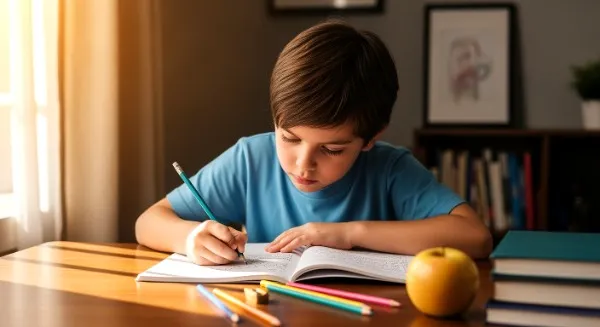
This article discusses effective and realistic study tips that can be applied in school and at home. The tips are simple and can be easily incorporated into a child’s daily routine. They are designed for elementary and middle school kids and are derived from common educational practices. The aim is to help kids become independent learners who understand their responsibilities and enjoy the learning process.
Why Learning Good Study Skills Matters for Children
Study skills are an important part of academic achievement. Children who understand how to manage their schoolwork, stay on task, and study regularly often do well in school. These skills also help children feel more confident when presented with new material or tests.
Effective study skills help children:
-
Understand their lessons better
-
Improve their memory and ability to recall information
-
Feel less anxious during tests
-
Become more independent in their learning
Over time, these skills help children prepare for more advanced levels of education. Learning how to study is just as important as what they study.
Best Study Tips for Kids in School
School is where children spend most of their time learning. By developing good habits during school hours, children can cut down on the amount of homework they have to do at home. Paying attention in class is one of the best ways for kids to learn.
Useful tips for kids in school include:
-
Listening carefully to the teacher’s instructions
-
Taking simple notes during lessons
-
Asking questions when they don’t understand something
Getting their classwork done on time can also cut down on homework. By using school time wisely, kids are better prepared for independent study later in the day.
Best Study Tips for Kids at Home
Home study time should be peaceful and organized. A regular routine helps kids know when it’s time to study. Studying at the same time every day helps kids develop consistency and discipline.
At home, it is useful to:
-
Select a quiet study location
-
Have study materials available
-
Minimize noise and distractions
Parents can help children by reviewing their schedules and providing help without stressing them. A balanced home schedule helps children learn without feeling overwhelmed.
Creating the Right Study Environment for Kids
The study environment impacts how well children focus. Organizing the study area helps minimize distractions and save time. Children should have a designated area for studying that is different from play areas whenever possible.
The right study environment should have:
-
A desk or table with sufficient space
-
Comfortable seating
-
Adequate lighting
Having books, notebooks, and materials organized in one area helps children quickly begin studying. A consistent environment promotes consistent studying and improved focus.
Study Skills for Elementary Students and Printable Resources
Elementary students can benefit from visual and organized learning aids. Basic worksheets, planners, and organizers can help children grasp assignments and organize their time. Printable study aids are helpful because they give clear instructions without the distractions of technology.
Typical printable study aids include:
-
Daily study planners
-
Reading logs
-
Practice worksheets
These materials are very helpful for children to monitor their progress and develop a sense of responsibility. Regular use of these materials is very effective for developing a habit of regular learning.
How to Teach a Child to Study Independently
Learning to study independently is an important skill for children to develop a sense of responsibility for their own learning. However, this skill is not developed overnight. Children require step-by-step guidance and motivation to develop confidence.
The steps to develop independence are:
-
Teaching children to plan their tasks
-
Encouraging children to review their completed work
-
Giving children the opportunity to solve problems on their own before intervening
It is important for parents and teachers to let children develop this skill on their own and not control the entire process. Gradually, children learn to handle their work without much assistance.
Simple Study Skills That Help Kids Learn Faster
Children do not require extensive study hours to learn effectively. Simple and efficient study skills are very effective. Children can remain interested and focused on their lessons if they are broken down into smaller steps.
The skills are:
-
Reading a short passage at a time
-
Writing a short summary
-
Using pictures or charts
These skills are very effective for children to actively engage with their learning rather than just memorizing it without understanding.
How to Be Intelligent in Class Without Excessive Study
Learning effectively is more beneficial than studying for an extended period. Children who grasp concepts in class require less revision. Listening, note-taking, and revising concepts for a short period each day can make excessive study unnecessary.
Intelligent ways of studying involve:
-
Revising notes after school
-
Clearing misconceptions promptly
-
Relating new concepts to existing knowledge
These tips enable children to learn continuously without feeling burdened.
Effective Ways of Studying to Help Kids Learn Better
Some effective ways of studying are widely advocated by teachers as they enhance learning and memory. These ways involve engagement with the subject matter rather than mere reading.
Effective ways involve:
-
Verbalizing concepts
-
Engaging in sample questions
-
Regular revision instead of cramming
These ways of studying help children learn better and alleviate examination anxiety. Continuous learning is better than cramming at the end.
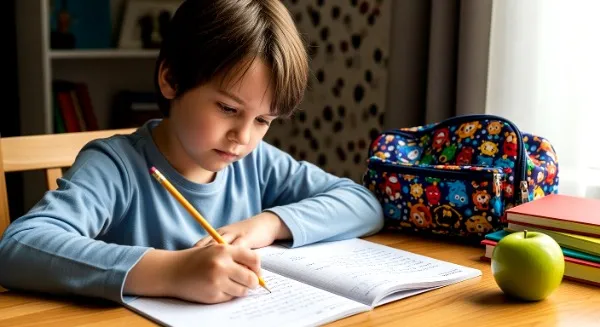
How to Teach Your Child to Study for Exams
Exam preparation should start long before the examination. Children should be taught to study calmly and methodically. A systematic approach helps alleviate anxiety and boosts confidence.
Exam preparation techniques involve:
-
Developing a basic revision timetable
-
Working on one subject at a time
-
Using past questions for practice
Parents can also support their children by encouraging them to make steady progress and by reassuring them. A calm attitude helps children perform better and feel better emotionally.
Healthy Study Habits for Long-Term Success
Study habits should promote learning and health. Children should have a balance of study, rest, and play activities. Too much work can lead to a lack of concentration and motivation.
Healthy habits include:
-
Taking regular breaks during study sessions
-
Getting adequate sleep every night
-
Engaging in regular physical activities
Sleep is particularly crucial for memory and concentration. Children who get plenty of sleep are better equipped to learn and problem-solve.
Conclusion
Teaching children healthy study habits is a process that takes time and effort. Basic habits, a supportive environment, and guidance can make learning more productive and enjoyable. When children learn to prioritize tasks, manage time, and study alone, they feel more confident about their capabilities. These skills lead to success in school and prepare children for life. Parents and teachers can play an important role by providing structure, support, and patience. With regular practice, children can develop healthy study habits that help them succeed in school and in life.