Introduction to Physical Education in Spanish
Physical education in Spanish, commonly known as “Educación Física,” is a crucial part of the development of students’ physical, mental, and social well-being. It is more than just learning sports and exercises; it also teaches students to live a healthy lifestyle, work as a team, and develop self-confidence. In Spanish-speaking nations, the education system understands that physical education is not just an activity outside the classroom but a crucial part of overall education.
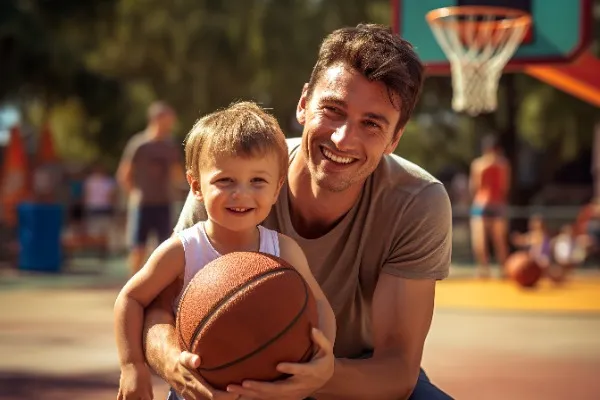
Knowing about Educación Física is understanding how physical education is incorporated into everyday life and education. Schools in Spain and Latin America have long incorporated physical education into their curriculum, with the goal of teaching students the values of discipline, hard work, and respect for oneself and others.
History and Evolution of Physical Education in Spanish-Speaking Countries
Physical education in Spanish-speaking countries has a long history shaped by the culture, colonial past, and contemporary education reforms. In traditional Spanish education, physical activities were mainly practiced for military training or playing traditional games, with no emphasis on sports in schools.
Over the years, the idea of Educación Física has developed. In the 20th century, schools started to incorporate systematic exercise programs, gymnastics, and team sports into their curriculum. Latin American nations, drawing inspiration from European systems and native traditions, focused on a variety of physical activities from soccer and volleyball to dance and martial arts. In contemporary times, modern physical education integrates fitness, recreation, and health education, reflecting both international norms and regional cultural preferences.
The Curriculum of Physical Education in Spanish Schools
Core Components of the Curriculum
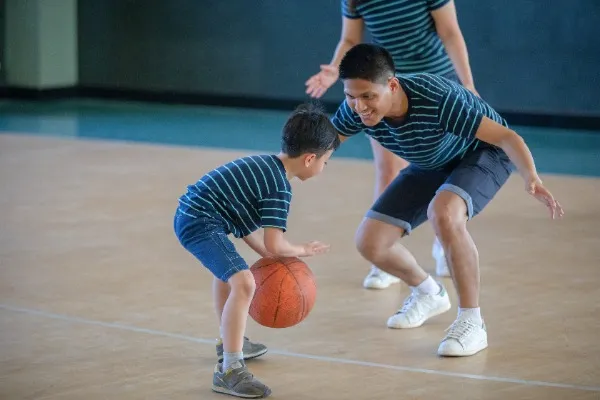
The curriculum of physical education in Spanish-speaking schools is structured to meet a variety of needs related to student development. The basic components of the curriculum include cardiovascular training, strength training, flexibility exercises, and coordination activities. Students are also introduced to team sports such as soccer, basketball, and volleyball, which help develop teamwork and leadership qualities.
Integration of Health Education
The unique aspect of physical education in Spanish-speaking schools is the incorporation of health education. Students are taught about nutrition, personal hygiene, and injury prevention, providing a comprehensive outlook on health that goes beyond physical exercise.
Age-Specific Activities
The curriculum is divided according to different age groups, ensuring that all activities are age-specific, interesting, and safe. For younger students, play-based exercise and games are prominent, while older students engage in sports, exercise programs, and even theoretical classes on physical health.
Benefits of Physical Education in Spanish
Physical Health Benefits
The benefits of physical education in Spanish are not limited to the classroom. Engaging in physical education activities improves physical health by increasing strength, endurance, flexibility, and cardiovascular fitness. It also prevents illnesses and promotes healthy weight management. Physical education also instills in students the habit of being physically active throughout their lives.
Mental and Emotional Benefits
The benefits of physical education in Spanish also include its ability to improve mental and emotional health. Physical education activities can improve concentration, reduce stress, and increase self-esteem. It also teaches students to persevere and be resilient in the face of adversity.
Social Benefits
Physical education activities, such as team sports, can improve social skills such as communication, empathy, and cooperation. Students learn the value of teamwork and sportsmanship, which is an essential life skill.
Teaching Physical Education in Spanish
Creating a Positive Learning Environment
Teaching physical education in Spanish requires effective teaching methods. Teachers should be able to create a positive and motivating atmosphere that caters to students of different skill levels. The focus is on encouraging participation rather than competition.
Importance of Language in Instruction
Bilingual or Spanish-language education is also an important aspect, especially in regions with a diverse linguistic population. Physical education taught in Spanish not only helps in language development but also helps students understand and follow instructions correctly, making the physical education activities safer and more effective.
Adapting Exercises for Age Groups
Teachers also modify exercises for different age groups, ensuring that younger students are engaged in fun activities while older students are involved in more organized fitness or sports activities.
Physical Education Resources in Spanish
Learning Materials and Manuals
Teachers and students can utilize a range of resources to improve the teaching and learning process of Educación Física. Learning materials and manuals include organized lesson plans, activities, and assessment strategies. Most of these materials are designed for different age groups or sports disciplines, assisting teachers in designing interesting and effective programs.
Online Resources and Apps
Online resources and video tutorials have also gained immense popularity, providing visual demonstrations of different exercises, warm-up sessions, and skills development. Mobile applications also assist students in monitoring their fitness development, learning new exercises, and motivating themselves to lead an active life.
Challenges and Solutions in Spanish Physical Education
Common Challenges
Physical education in Spanish-speaking schools, although very beneficial, has some challenges. These include resource constraints, lack of facilities, and high student numbers, making it difficult for the teacher to give each student adequate attention. Moreover, cultural perceptions of sports or physical activity can affect student participation, especially among teenagers who may feel embarrassed or disinterested in the usual physical exercises.
Solutions and Innovations
To overcome these challenges, innovative solutions are needed. Schools can offer a variety of activities such as dance, yoga, martial arts, and non-competitive games to attract more students. Teacher training workshops on inclusive education, motivation, and contemporary fitness methods can also improve the effectiveness of physical education programs. Parental and community engagement can further reinforce the need to stay physically active, promoting a culture that values physical education both in and out of school.
Future Trends in Physical Education in Spanish
Technology in Physical Education
The future of physical education in Spanish is very promising and ever-evolving. Technology is increasingly being incorporated into physical education classes, with the use of fitness monitors, virtual reality, and game-based activities revolutionizing the way physical education is conducted. These technologies enable instant feedback, engagement, and the setting of specific fitness goals by students.
Inclusive and Adaptive Programs
In addition, there is a growing interest in inclusive and adaptive physical education classes. Schools are focusing on accommodating students with disabilities, so that every child has the opportunity to engage in meaningful physical activity.
International Awareness
International awareness is also on the rise, as students are introduced to international sports, cultural exchange, and fitness challenges that promote intercultural awareness.
Conclusion
Physical education in Spanish is much more than physical activity; it is a comprehensive approach to education that develops the body, mind, and social aspects of students. By understanding the history, curriculum, benefits, and innovations of Educación Física, educators, parents, and students can recognize the vital role of physical education in health, teamwork, and fitness for life.
The significance of physical education is evident in modern schools that continue to innovate and adapt their programs. Physical education provides students with the knowledge, skills, and attitudes necessary for a healthy and active lifestyle. Adopting this form of education encourages young people to take ownership of their health, work well together as a team, and persevere in the face of challenges—a foundation that goes beyond the gym or playing field.