Education has always changed together with society. From traditional classroom learning to digital platforms for knowledge sharing, the way knowledge is imparted keeps changing. One of the budding concepts in this change is SoSoActive Education. The term denotes a kind of learning process that revolves around balanced engagement, pragmatic understanding, and participation by students without burdening them. It does not believe in the rigidity of systems or complicated methods. Rather, it seeks to create an environment of learning that is active enough to keep students engaged yet comfortable and agile.
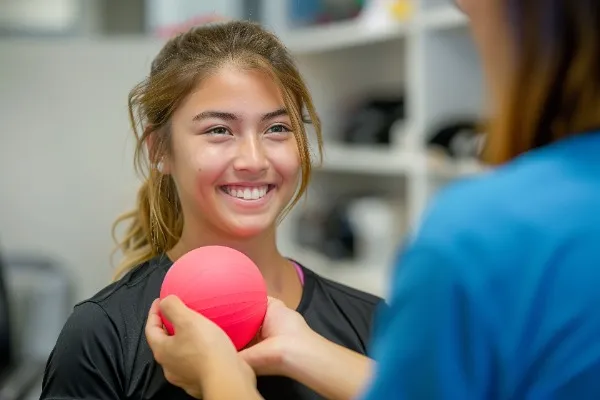
Understandings, interaction, and application to real life are needed in today’s fast-moving world; that is where sosoactive education finds its relevance.
What is Sosoactive Education?
Sosoactive education could be explained as finding the proper balance between traditional approaches to teaching and modern, interactive methods of education. It neither forces learners to engage in intensive activities all the time nor is it a style which wholly relies on passive listening from them. Rather, it provides a middle ground where students become engaged, using their critical thinking skills and applying practical uses for what they learn.
This approach is based on one very simple idea: learning should be engaging, yet not exhausting; students are encouraged to participate but put under no pressure. This will keep the learners motivated for a longer period of time.
The Core Philosophy Behind Sosoactive Learning
Basically, this approach to teaching favors comprehension over speed, participation over perfection. It recognizes that each learner is unique: some learn best through discussion, others through observation, and some through activity.
Sosoactive education supports flexibility, not forcing one method upon all. Instead of taking control over every step, teachers guide students; learners are allowed to take responsibility for their own progress. This builds confidence and independence-skills valuable long after the classroom.
How Sosoactive Education Works in Practice
In practice, this involves structured lessons intertwined with interactive elements. A typical class would begin with a quick explanation of the topic, followed by some discussion amongst teachers and learners, small activities, or a real example. Digital tools can be added, but only when they truly enhance the lesson.
Lots of assessments focus on understanding, not on memorization. Instead of doing frequent high-pressure tests, students might work on projects, presentations, or reflective assignments. This helps them contextualize knowledge in real situations rather than simply memorizing facts for an exam.
Role of Technology in Sosoactive Education
Technology plays a supportive role and does not take the lead. Online resources, apps, and learning platforms supplement this understanding and are not meant to replace the teacher. Video content, quizzes, and interactive content may present more complex information in a simplified manner.
In this approach, however, extreme screen time exposure is avoided. It recognizes that even deep and meaningful learning tends to be through conversation and collaboration and offline activities. It views technology as a tool, not a solution unto itself.
Benefits to Learners
Among the big advantages of sosoactive education are improved engagement; when lessons are neither boring nor overwhelming, a student is more likely to stay interested. It reduces stress and improves focus because of the balance.
Another benefit is that there is a better development of skills. Learners improve in communication, problem-solving, and critical thinking due to the discussion and practical tasks. They develop self-confidence too because they are given an opportunity to share their ideas without fear of continuous judgment.
Another strength is personalized learning. The flexibility provided by the approach ensures that learners can learn at a pace that suits them, thereby making education more inclusive and effective.
Teachers and Institutions – Benefits
This balanced approach has helped the teachers also. It gives them scope for creativity along with well-set academic goals. Rather than putting their energy into classroom management, educators will be able to guide and mentor their students.
Sosoactive education supports better learning outcomes for institutions and student satisfaction. It tends to reduce dropout rates and improve overall performance when learners feel comfortable and involved. It also helps the institution to adapt to modern-day expectations concerning education without abandoning traditional values.
Comparison with Traditional Education
Traditional education heavily relies on lectures, exams, and rigid schedules. As strong this may be, not everyone will find this system suitable for their needs. Sosoactive education will try to offer flexibility and interaction as major points of differentiation.
It encourages two-way communication, unlike the purely traditional models where there is no room for this. Students are participants rather than mere listeners. At the same time, it avoids chaos resulting from a very unstructured learning environment.
Who might benefit from this sort of learning?
This learning style, therefore can be helpful to learners of many types. It is easier for the school-going students to stay attentive and motivated. Higher college and university learners like the emphasis on the ability to understand and apply rather than rote learning.
Even professionals and lifelong learners can benefit. Training programs based on sosoactive principles are oftentimes much more effective, taking into consideration the time and experience of learners while still fostering growth and development.
Challenges and Limitations
The challenges that arise with sosoactive education, just like any other teaching approach, are many. Teachers may need training regarding this balanced style of teaching. For one to move from rigid methods to flexible ones, it takes patience and practice.
Problems may also be related to resources: not all institutions are well-equipped with modern tools, including supportive learning environments. Again, a proper balance between an activity and structure may take ages to reach.
With proper planning and support, these can be manageable challenges.
How to Get Started with Sosoactive Education
First, it is all about developing an active mindset on the part of the students. Questions, discussions, and reflections over lessons can go a long way in making a difference. For learning to really mean something, students have to take ownership of learning.
For instructors, this involves modest changes: encouraging discussion, using everyday examples, and providing multiple modes of assessment. The transition should be supported with training opportunities and flexible policies offered by the institutions.
The Future of Sosoactive Education
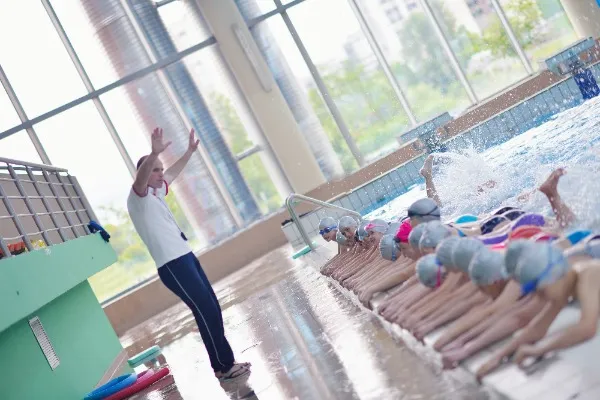
With education continuing to evolve, attention will most likely be directed more and more toward models that balance learning. Sosoactive education fits well into the goals of modern learners: flexibility, relevance, and engagement without continuous pressure.
If joined with thoughtful use of technologies, supportive teaching practices, and learner-centered environments, this approach holds great promise for the future of education in sustainability.
Final Thoughts
Education should raise curiosity, confidence, and understanding. Sosoactive education offers the very pragmatic way of reaching these goals through the creation of a balanced and supportive environment of learning. It does not seek to replace traditional education; rather, it aims at enriching it by making learning more humane, meaningful, and efficient.
This approach engages learners without their experiencing information overload, and thus helps a learner grow academically and personally, getting ready for real life rather than just exams.