College is more than lectures, exams, and deadlines. It is a transformative time when students develop and flourish in many ways. In the midst of this experience, many campuses have a central location that is meant to serve students in every way: the student life and wellness center. More than a health office or event space, it is the building block of balance, connection, and success throughout the college experience.
Understanding the Purpose of a Student Life and Wellness Center
The student life and wellness center is centered on one simple concept: serving the whole student. The classroom experience is inextricably linked to mental health, physical health, and a sense of belonging. When students know that they are supported in these ways, they are more likely to succeed in the classroom and beyond.
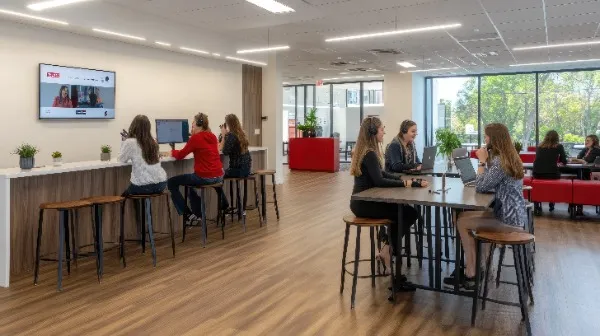
The student life and wellness center brings together services that were previously located in multiple spots around campus. Counseling, recreation, leadership development, and health education are all located in one convenient spot. This makes it easy for students to get the help they need without feeling lost or confused about where to turn.
Promoting Mental and Emotional Health
One of the most beneficial components of a student life and wellness center is the emphasis on mental health. College can be a thrilling time, but it is also a source of stress, homesickness, relationship issues, and academic pressures. The availability of counseling and therapy services enables students to freely communicate with trained professionals in a confidential and supportive environment.
Workshops on stress management, mindfulness, and resilience are also common. Group therapy sessions and peer support initiatives provide opportunities for students to understand that they are not alone in their struggles. By encouraging open dialogue about mental health, campuses promote a culture of care and not silence.
Crisis intervention services are also essential components. Whether it is managing anxiety attacks, dealing with personal tragedies, or more serious crises, students can access immediate help when they need it the most.
Promoting Physical Health and Active Living
Physical health is an incredibly important factor in overall success. Most student life and wellness centers have fitness facilities, recreational sports options, and health-related information. Exercise is an excellent way to manage stress, improve moods, and increase energy levels—all of which have a direct impact on academic success.
In addition to exercise equipment and group fitness classes, these centers may also include health screenings, nutrition counseling, and wellness coaching. Students can discover strategies to eat well, sleep better, and develop healthy habits that will stay with them for the rest of their lives.
Recreational sports leagues and fitness competitions are other ways that students can come together, deepening friendships while encouraging healthy living. These activities help to create a sense of community that is critical to well-being.
Building Community and Social Connection
Feeling a part of something larger than oneself can be the difference between going to college and really enjoying the experience. A student life and wellness center can be a hub where students congregate beyond the classroom.
From student clubs and cultural activities to leadership development and volunteer service, these centers provide valuable ways for students to connect. Whether it is to join a club, attend a wellness class, or participate in a campus-wide activity, students are making connections that will enhance their college experience.
Inclusive programming is also critical. Many campuses offer programs that recognize diversity, foster cultural understanding, and provide support for underrepresented groups. Safe spaces for LGBTQ+ students, international student support services, and accessibility resources ensure that every student feels valued and respected.
Assisting Students in Transitioning and Adapting
The college experience can be daunting, especially for first-year students. Orientation and transition programming provided by a student life and wellness center can ease this transition. Issues such as time management, learning skills, and personal goal achievement empower students for success from day one.
Homesickness and culture shock are realities, especially for students who are away from home for the first time. Having a designated place to seek advice and support can make this experience much less lonely. Student mentorship programs match new students with veteran students, providing guidance and support during the first critical months of college.
Linking Wellness to Academic Success
Academic success is not a solo activity. Stress, lack of sleep, and mental health issues can quickly affect academic performance and motivation. By addressing these underlying issues, a student life and wellness center makes a direct contribution to improved academic success.
Study skills workshops, productivity strategies, and exam review sessions are also common. Some wellness centers partner with academic advising and tutoring services to provide a one-stop resource for students.
When students learn to prioritize, balance, and ask for help when needed, they begin to form habits that lead to success in the short and long term.
Career Development and Personal Growth
Wellness encompasses health, but it also encompasses preparing students for life after graduation. Many wellness centers offer career development activities such as resume-building workshops, networking opportunities, and leadership training. These activities give students the chance to explore their interests, boost confidence, and develop skills.
Volunteer and service-learning activities also give students a sense of purpose. Helping the community not only benefits emotional well-being but also gives students the chance to discover their passions, which may shape their future career choices.
Personal Development Seminars
Personal development workshops on communication, financial management, and conflict resolution also prepare students for the realities of adulthood. By incorporating these aspects, institutions show that wellness encompasses professional and personal success.
Embracing Technology and Accessibility
Contemporary campuses understand the importance of accessibility. A student life and wellness center may provide online counseling sessions, online appointment scheduling, and online wellness resources. Telehealth services allow students to access help without limitations such as a busy schedule or lack of transportation.
Mobile applications and online platforms may offer guided meditation sessions, fitness tracking features, or educational content. These technologies ensure that wellness support services are accessible even when the office is closed.
Confidentiality is also a concern. Strong privacy policies give students the confidence to seek services, knowing that their information is protected.

Responding to Crisis and Promoting Prevention
Campuses need to be ready for emergencies. Centers focused on student wellness are critical in responding to and preventing crises. Suicide awareness campaigns, mental health screenings, and educational outreach programs increase awareness and decrease stigma.
Partnerships with campus security departments are essential in ensuring a unified response during life-critical events. Preventive programs like substance abuse education and stress management programs work to address problems before they become crises.
This proactive approach shows a commitment to not only treating but also preventing in the long term.
The Long-Term Effect on Campus Culture
When a campus chooses to build a student life and wellness center, it sends a message that student wellness is important. Over time, this helps to create a campus culture that values wellness. Students feel more comfortable reaching out for help, more likely to participate in campus activities, and more likely to look out for one another.
These students also tend to take these healthy behaviors with them into their careers and personal lives. The skills that students learn in wellness programs, such as stress management, communication, and self-care, are skills that students will use for the rest of their lives.
Looking Ahead: The Future of Campus Wellness
As the needs of students continue to change, so too will the needs of campus wellness centers. Mental health awareness, telehealth services, and academic partnerships will likely become even more important in the future.
The future of campus wellness centers will likely be even more personalized, using feedback and data to tailor services to specific groups of students. Flexibility, inclusivity, and innovation will continue to be at the forefront of campus wellness centers.
Conclusion
A student life and wellness center is more than just a building on a college campus. It is a holistic approach to student wellness. By offering mental health services, physical wellness programs, leadership development, and community engagement, these centers provide a campus culture in which students can thrive.
College is a defining moment in life. When colleges take a holistic approach to student wellness, they are giving students the opportunity to not only earn a degree but to live a balanced, resilient, and meaningful life.